
When purchasing a flat in Pune, one of the most critical yet often underestimated decisions is choosing the right floor level. The floor you select can profoundly influence your daily comfort, access to natural light, ventilation, privacy, and even long-term investment value. While online listings, virtual tours, and brochures offer convenient information, nothing can replace the experience of a physical walkthrough and a nuanced understanding of floor-level implications.
For modern buyers, floor-level selection is not merely a practical concern—it is an integral element of lifestyle design. Developers like Engineers Horizon emphasize this principle, designing residential projects such as Bavdhan EH-Sky-Tower with careful attention to accessibility, sunlight, ventilation, and unobstructed views, ensuring buyers have options that align perfectly with both comfort and aspiration.
High Floors vs Low Floors: Understanding the Trade-offs
Every floor level brings its own set of advantages and considerations. Understanding these trade-offs can help you make an informed choice:
High Floors:
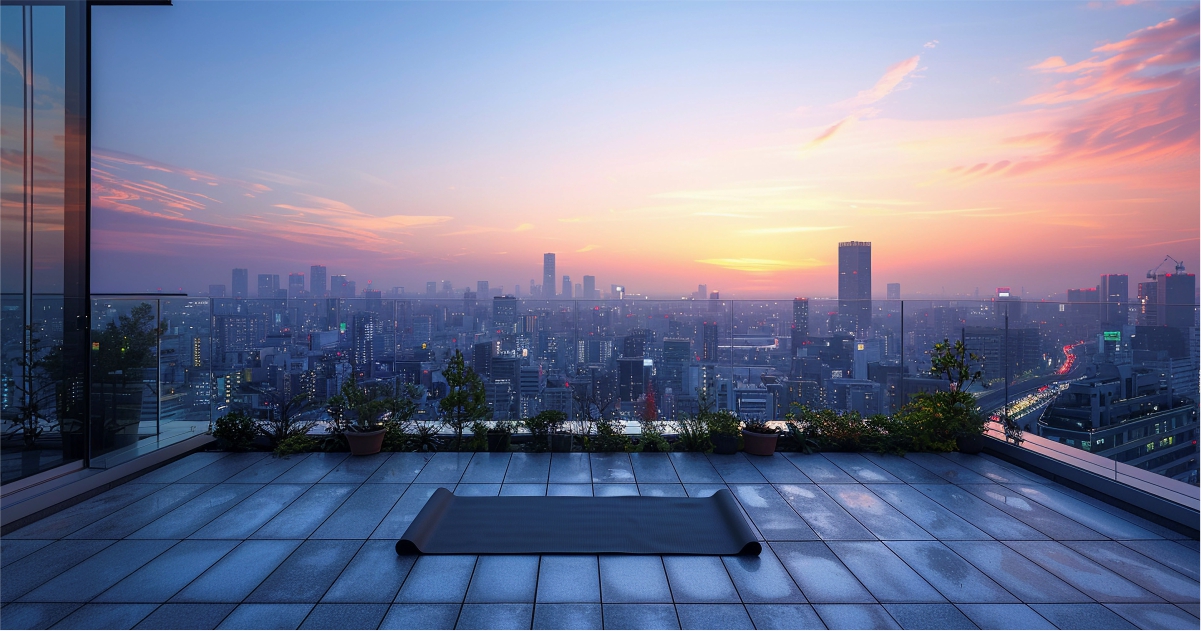
- Panoramic views: Elevated units often offer sweeping vistas of the city skyline, hills, or landscaped gardens.
- Enhanced privacy: Being above street level reduces noise and foot traffic exposure.
- Better air quality: Less dust and pollution enhance indoor air quality—a growing concern for health-conscious homeowners.
- Sunlight abundance: Higher floors often enjoy unobstructed sunlight, improving energy efficiency and overall mood.
- Considerations: Higher floors depend heavily on elevators, which may occasionally experience delays. Maintenance costs can be slightly higher, and accessibility may be a concern for families with elderly members.
Low Floors:
- Ease of access: Quick access to entrances, lifts, and parking is particularly convenient for families with children or elderly members.
- Convenience: Moving groceries, furniture, or luggage becomes effortless.
- Community engagement: Low floors often feel more connected to shared gardens, playgrounds, and amenities.
- Considerations: They may experience more street-level noise, reduced privacy, and limited city views.
The optimal choice is rarely absolute. Instead, it depends on personal lifestyle, family composition, daily routines, and long-term investment goals.
Key Factors to Consider When Selecting a Floor
Beyond the high vs low discussion, there are critical considerations that buyers often overlook:
- Sunlight and Ventilation: Observe how sunlight enters units at different times of the day. Proper ventilation is essential for comfort and health, and floor selection directly influences air circulation patterns.
- Noise Levels: Lower floors may be affected by traffic, playgrounds, or nearby commercial spaces. High floors are quieter but may pick up occasional wind or rooftop noise.
- Safety and Security: While modern buildings are secure, higher floors offer an additional layer of privacy and safety, particularly from street-level disturbances.
- Proximity to Amenities: Consider how floor choice affects accessibility to lifts, gyms, pools, and parking. Even small distances can impact convenience in daily life.
- Energy Efficiency: Sunlight exposure and wind patterns at different floors can influence indoor temperature and energy consumption for cooling or heating.
- Resale Value: Premium buyers often prefer higher floors for views and privacy, which can enhance long-term appreciation. Conversely, lower floors may appeal to families seeking convenience and accessibility.
Avoiding Common Buyer Oversights
Even experienced buyers sometimes make subtle errors when selecting a floor:
- Focusing solely on view: Choosing a high floor for scenery without considering elevator wait times, emergency access, or family needs can lead to dissatisfaction.
- Ignoring daily lifestyle: Accessibility for children, elderly family members, or frequent visitors is critical.
- Underestimating natural light and heat: Overlooking how direct sunlight affects interiors can impact comfort and energy bills.
- Neglecting neighborhood dynamics: Lower floors may be affected by traffic, parking noise, or adjacent commercial activities that are not apparent online.
By avoiding these pitfalls, buyers can align floor selection with lifestyle requirements and long-term satisfaction.
Flat Buying Tips for Pune Residents
To make the most informed decision, buyers should treat floor-level selection as part of a holistic home evaluation:
- Visit multiple units: Walk through low, mid, and high-floor apartments to experience differences in light, airflow, and ambient noise firsthand.
- Observe amenities access: Test convenience to lifts, parking, and shared facilities.
- Evaluate future needs: Consider family expansion, aging parents, or potential resale preferences.
- Check building orientation: Floor-to-ceiling heights, balcony placements, and structural orientation can affect daylight, ventilation, and privacy.
- Consider seasonal variations: Visit units at different times to observe sunlight angles, heat, and wind exposure.
Projects like Bavdhan EH-Sky-Tower showcase meticulous floor-level planning, where each unit optimizes sunlight, ventilation, privacy, and view, providing a framework for buyers to choose confidently.
Floor Level Selection and Investment Potential
Floor selection also impacts investment potential. In Pune’s growing residential market, units on higher floors often appreciate faster due to their views, privacy, and premium appeal, whereas lower floors attract buyers seeking practicality and convenience.
Investors must evaluate:
- Future demand: Which floors are likely to be preferred by families, executives, or long-term investors?
- Resale flexibility: Mid-range floors often balance convenience and view, appealing to a broad buyer base.
- Rental prospects: High floors with panoramic views may command higher rental yields, while lower floors may be easier to lease to families or elderly tenants.
By combining site visits, lifestyle evaluation, and market insight, buyers can make a strategic choice that balances daily comfort with financial appreciation.
Conclusion
Selecting the right floor level is far more than a practical choice—it is a lifestyle and investment decision. From sunlight, ventilation, and noise levels to privacy, accessibility, and long-term value, every floor comes with its unique advantages and considerations.
Modern residential projects in Pune, such as Engineers Horizon’s Bavdhan EH-Sky-Tower, exemplify how thoughtful floor planning enhances both daily living and long-term satisfaction. By evaluating units comprehensively and visiting multiple floors, buyers can ensure that their chosen apartment aligns with comfort, convenience, aesthetics, and investment goals.In Pune’s dynamic real estate landscape, the right floor level transforms an apartment from a space to a true home, where every day is enhanced by thoughtful design, practical planning, and an awareness of how lifestyle intersects with architecture.