
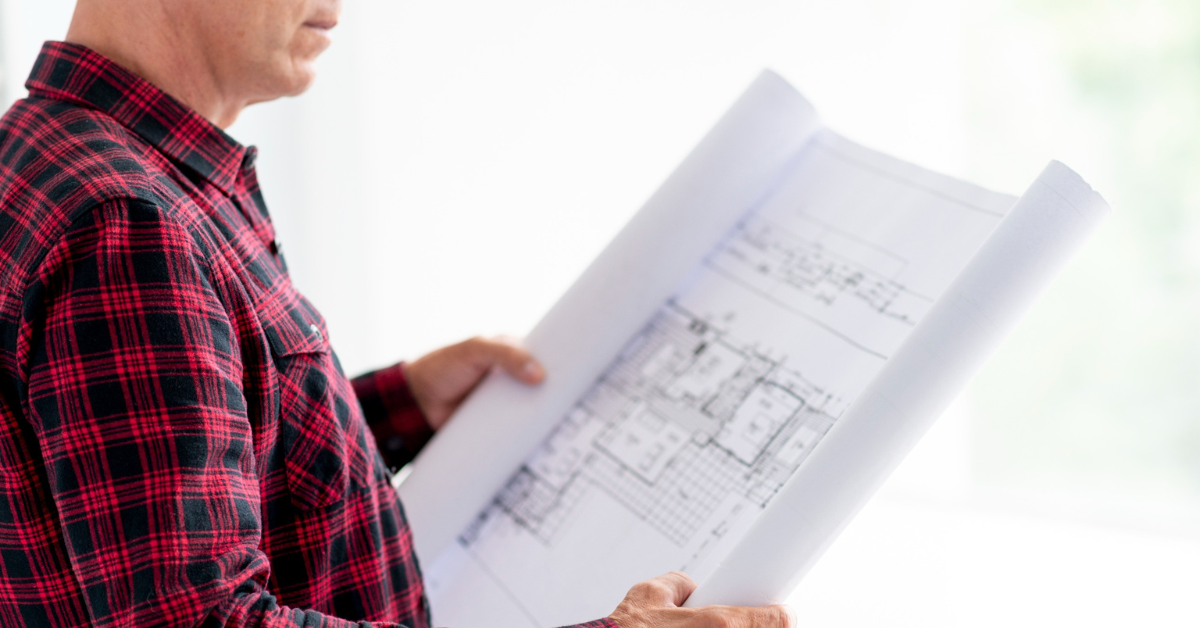
In Pune, where every square foot commands a premium—and every balcony is marketed as a “lifestyle feature”—understanding a floor plan isn’t optional. Whether you’re buying a swanky 3BHK in Baner or a compact 1BHK in Tathawade, your smartest design decisions begin long before you walk into a show flat.
Because in 2025, builders may sell you dreams, but the floor plan shows you reality.
Done right, reading a floor plan can save you from buyer’s remorse. Done wrong, it can leave you with a beautiful flat that doesn’t function the way you live.
Why Floor Plans Matter More Than Brochures in Pune’s Market
From Hinjawadi to Viman Nagar, Pune’s residential scene is filled with design-forward homes that promise open layouts, natural light, and “smart” spaces. But unless these promises are reflected in the actual architectural plan, they’re just marketing fluff.
The floor plan is your blueprint to everything: layout flow, room proportions, structural limitations, and even hidden inefficiencies. Knowing how to decode it means you’re no longer a passive buyer—you’re a strategic homeowner.
What Is a Floor Plan—and Why You Must Learn to Read It
A floor plan is a scaled architectural drawing that shows the layout of rooms, walls, doors, windows, and fixtures from a top-down view. It tells you not just what fits—but how it feels.
In Pune, where RERA mandates developers to disclose unit-level floor plans, every buyer now has access to these documents. But access isn’t enough—interpretation is everything.
5 Things Smart Pune Buyers Look For in a Floor Plan
Whether you’re browsing a 3BHK house plan or comparing 2BHK layouts in Bavdhan, here’s how to read between the lines:
1. Carpet Area vs Built-Up Area vs Super Built-Up
RERA has made it mandatory for builders to disclose carpet area—the net usable floor area inside your flat.
- Carpet Area: Usable indoor space (excluding walls, balconies, common areas)
- Built-Up Area: Carpet + walls + ducts
- Super Built-Up: Built-up + proportionate share of common amenities
Tip: Always calculate price per sq. ft. on carpet area, especially in high-value locations like Kalyani Nagar or Aundh.
2. Wall Thickness and Structural Elements
Check for load-bearing walls or columns that could limit future interior changes. In high-rises across Baner or Kharadi, structural walls can affect:
- Room extensions
- False ceiling designs
- Plumbing reroutes
Thin partition walls (100mm or less) are typically removable. Anything thicker is usually structural.
3. Natural Light and Ventilation
Windows marked on external walls tell you where daylight and air circulation will come from.
- South and west-facing windows get the most sunlight—ideal in winter, harsh in summer
- Cross ventilation is ideal for energy efficiency and indoor air quality
Also look for ventilation ducts in bathrooms and kitchens—especially in back-facing flats where direct windows aren’t possible.
4. Flow and Functionality
Walk yourself through the layout:
- Is the entry too close to bedrooms?
- Can guests access the bathroom without entering private zones?
- Is the kitchen far from the dining area?
In Pune, many new projects offer “open kitchens” or “flexible utility spaces”—but if not positioned well, they compromise privacy and functionality.
5. Balconies, Bay Windows, and Usable Outdoor Space
Builders in Pune often highlight private terraces or sky decks. But not all are usable. Always check:
- Dimensions: Is it 5 feet wide or 1.5 feet—usable or decorative?
- Access: Can you reach it from living spaces or just bedrooms?
- Direction: North and east-facing balconies are usually cooler and more comfortable in Pune’s climate.
Common Floor Plan Symbols You Should Know
Here’s a quick reference guide to common architectural notations:
- Double lines or shaded rectangles: Walls
- Arcs: Door swing direction
- T or WC: Toilet
- W: Window
- D: Door
- S: Sink
- ST: Store or Storage
- R: Refrigerator placement
Ask your builder for a key or legend if their plan uses custom icons.
3BHK Floor Plan: What to Watch Out For in Pune Projects
A typical 3BHK in Pune (carpet area between 950–1200 sq. ft.) includes:
- Three bedrooms (one usually with an attached bathroom)
- Living and dining area
- Kitchen with utility zone
- Two or three bathrooms
- Balcony or terrace
Smart buyers check:
- Whether the third bedroom is full-sized or just a study
- If there’s sufficient wall space for wardrobes
- Where the column grids fall—important if you plan to redesign interiors
RERA and Floor Plan Legality in 2025
Under MahaRERA, any floor plan shown in a brochure must match the one uploaded on the RERA portal. If your handed-over flat differs—even slightly—you can file a complaint.
Section 14 of the RERA Act protects buyers from altered specifications. Builders must:
- Not change layouts without two-thirds buyer consent
- Deliver internal dimensions as promised, within a 3% variance
If a developer shrinks your 3BHK’s master bedroom or alters window placement, you may be eligible for a refund or compensation.
Final Walkthrough: What to Ask the Builder
Before booking, request:
- Unit-specific floor plan with measurements
- Actual carpet area
- Floor-to-ceiling height
- Orientation (north, south, etc.)
- Locations of doors, columns, bathrooms, and balconies
Also ask for the building’s entire floor plate, not just your unit. Many Pune high-rises have variations from wing to wing or tower to tower.
Bottom Line: Don’t Just Look at the Floor Plan. Learn to Live in It—on Paper First.
In Pune, where every project is a blend of architecture and aspiration, understanding floor plans is your best design move.
Because the real cost of a poorly understood layout isn’t aesthetic—it’s functional. Once it’s built, the walls are literal. And costly to undo.
So take your time. Read the plan. Visualize your life in it. And make sure the blueprint matches your blueprint for living.